Kişniş (Coriandrum Sativum)
Özet
Apiaceae familyasının bir üyesi olan kişniş (Coriandrum sativum) hem gıda hem de tıbbi destek amaçlı oldukça yaygın kullanılan bitkiler arasındadır. Bu derlemenin amacı kişniş tohumu, bitkisi ve esansiyel yağının biyoaktif bileşenlerini biyolojik ve farmakolojik aktivitelerini irdeleyerek, literatürde yapılmış olan çalışmalarını incelemektir.
Coriander (Coriandrum sativum), a member of the Apiaceae family, is one of the most widely used plants for both food and medical support. The aim of this review is examine the studies in the literature about bioactive components, biological and pharmacological activities of coriander seed, herb and essential oil.
Referanslar
Bakkali F, Averbeck S, Averbeck D, Idaomar M. Biological effects of essential oils — a review. Food Chem Toxicol 2008;46:446–75.
Seidemann J. World spice plants: economic, usage, botany, taxonomy. Berlin Heidelberg: Springer-Verlag; 2005 591.
Ganesan P, Phaiphan A, Murugan Y, Baharin BS. Comparative study of bioactive compounds in curry and coriander leaves: an update. J Chem Pharm Res 2013;5(11):590–4.
Sahib NG, Anwar F, Gilani AH, Abdul-Hamid A, Saari N, Alkharfy KM. Coriander (Coriandrum sativum L.): a potential source of high-value components for functional foods and nutraceuticals — a review. Phytother Res 2013;27(10):1439–56.
Momin AH, Acharya SS, Gajjar AV. Coriandrum sativum — review of advances in phytopharmacology. Int J Pharm Sci Res 2012;3(5):1233–9.
Bhat S, Kaushal P, Kaur M, Sharma HK. Coriander (Coriandrum sativum L.): processing, nutritional and functional aspects. Afr J Plant Sci 2014; 8(1):25–33.
Al-Mofleh IA, Alhaider AA, Mossa JS, Al-Sohaibani MO, Rafatullah S, Qureshi S. Protection of gastric mucosal damage by Coriandrum sativum L. pretreatment in Wistar albino rats. Environ Toxicol Pharmacol 2006;22(1):64–9.
Maroufi K, FarahaniHA, Darvishi HH. Importance of Coriander (Coriandrum Sativum L.) between the medicinal and aromatic plants. Adv Environ Biol2010;4(3):433–6.
Laribi, B., Kouki, K., M'Hamdi, M., & Bettaieb, T. (2015). Coriander (Coriandrum sativum L.) and its bioactive constituents. Fitoterapia, 103, 9–26.
Prachayasittikula V., Prachayasittikula S., Ruchirawatb S. (2018) Coriander (Coriandrum sativum): A promising functional food toward the well-being. Food Research International 105 305–323
Ramadan MF, Mörsel JT. Oil composition of coriander (Coriandrum sativum L.) fruit-seeds. Eur Food Res Technol 2002;215:204–9.
Nadeem M, Anjum FM, Khan MI, Tehseen S, El-Ghorab A, Sultan JI (2013). Nutritional and medicinal aspects of coriander (Coriandrum sativum L.)A review. Brit. Food J. 115(5):743-755
Sahib NG, Anwar F, Gilani AH, Hamid AA, Saari N, Alkharfy KM. Coriander (Coriandrum sativum L.): A potential source of high‐value components for functional foods and nutraceuticals‐A review. Phytother Res. 2013;27(10):1439-1456.
Mandal S, Mandal M. Coriander (Coriandrum sativum L.) essential oil: Chemistry and biological activity. Asian Pac Trop Biomed. 2015;5(6):421-428.
Burdock GA, Carabin IG. Safety assessment of coriander (Coriandrum sativum L.) essential oil as a food ingredient. Food Chem Toxicol. 2009; 47(1):22-34.
Zeković Z, Kaplan M, Pavlić B, Olgun EO, Vladić J, Canlı O, Vidović S. Chemical characterization of polyphenols and volatile fraction of coriander (Coriandrum sativum L.)Extracts obtained by subcritical water extraction. Ind Crops Prod. 2016;87:54-63.
Msaada K, Taarit MB, Hosni K, Hammami M, Marzouk B. Regional and maturational effects on essential oils yields and composition of coriander (Coriandrum sativum L.) fruits. Sci Hortic. 2009;122(1):116-124.
Zheljazkova VD, Pickett KM, Caldwell CD, Pincock JA, Roberts JC, Mapplebeck L. Cultivar and sowing date effects on seed yield and oil composition of coriander in Atlantic Canada. Ind Crop Prod 2008;28: 88–94.
Nadeem M, Muhammad Anjum F, Issa Khan M, Tehseen S, El-Ghorab A, Iqbal Sultan J. Nutritional and medicinal aspects of coriander (Coriandrum Sativum L.) A Review. Brit Food J. 2013;115(5):743-755.
Msaada K, Hosni K, Taarit MB, Chahed T, Kchouk ME, Marzouk B. Changes on essential oil composition of coriander (Coriandrum Sativum L.) fruits during three stages of maturity. Food Chem. 2007;102(4):1131-1134.
Barros L, Duenas M, Dias MI, Sousa MJ, Santos-Buelga C, Ferreira IC. Phenolic profiles of in vivo and in vitro grown Coriandrum sativum L. Food Chem. 2012;132(2):841-818.
Marichali A, Dallali S, Ouerghemmi S, Sebei H, Hosni K. Germination, morpho-physiological and biochemical responses of coriander (Coriandrum sativum L.) to zinc excess. Ind Crops Prod. 2014;55:248-57.
Telci I, Gul TO, Sahbaz N. Yield, essential oil content and composition of Coriandrumsativumvarieties (var. vulgare Alef and var.microcarpumDC.) grown in two different locations. J Essent Oil Res 2006;18:189–93.
Kandlakunta B, Rajendran A, Thingnganing L. Carotene content of some common (cereals, pulses, vegetables, spices and condiments) an unconventional sources of plant origin. Food Chem 2008;106:85–9.
Ishikawa T, Kondo K, Kitajima J. Water-soluble constituents of coriander. Chem Pharm Bull 2003;51:32–9.
Verma A, Pandeya S, Yadav SK, Singh S, Soni P. A review on Coriandrum sativum (Linn.): An ayurvedic medicinal herb of happiness. J Adv Pharm Healthcare Res. 2011;1(3):28-48
Deepa B, Anuradha CV (2011). Antioxidant potential of coriander sativum L seed extract. J. Exp. Biol. 49:30-38.
AS Kumar; JM Joseph; M Moorthi; P Dhanapakiam; VK Ramaswamy, J. Environ. Biol., 2008, 29, 53-56.
V Chithra; S Leelamma, Plant Foods Hum Nutr., 1997, 51, 167-172.
AH El-Ghorab; T Shibamoto; MM Ozcan, J. Essent. Oil Res., 2007, 19, 72-77
N Uma Maheswari; N Cholaran, J. Chem. Pharm. Res., 2013, 5(4), 120-123.
Peethambaran D, Bijesh P, Bhagyalakshmi N (2012). Carotenoid content, its stability during drying and the antioxidant activity of commercial coriander (Coriandrum sativum L.) varieties. Int. J. Food Res. 45(1):342-350.
Darughe F, Barzegar M, Sahari MA (2012). Antioxidant and antifungal activity of Coriander (Coriandrum sativum L.) essential oil in cake. Int. Food Res. J. 19(3):1253-1260.
Eidi M, Eidi A, Saeidi A, Molanaei S, Sadeghipour A, Bahar M, Bahar K (2012). Effect of coriander seed (Coriandrum sativum L) ethanol extract on insulin release from pancreatic beta cells in streptozotocin-induced diabetic rats. J. Phytother. Res. 23(3):404-406.
Gray AM, Flatt PR (1999). Insulin-releasing and insulin-like activity of the traditional anti-diabetic plant Coriandrum sativum (coriander). Br J Nutr. 1999;81(03):203-209.
Elmas L, Secme M, Mammadov R, Fahrioglu U, Dodurga Y. The determination of the potential anticancer effects of Coriandrum sativum in PC‐3 and LNCaP prostate cancer cell lines. J Cell Biochem. 2019;120:3506‐3513
Jelodar G, Mohsen M, Shahram S. Effect of walnut leaf, coriander and pomegranate on blood glucose and histopathology of pancreas of alloxan induced diabetic rats. Afr J Tradit Complement Altern Med 2007;4(3): 299–305.
Brindis F, González-Andrade M, González-Trujano M, Estrada-Soto S, Villalobos-Molina R. Postprandial glycaemia and inhibition of α-glucosidase activity by aqueous extract from Coriandrum sativum. Nat Prod Res. 2014;28(22):2021-2025.
Sunil C, Agastian P, Kumarappan C, Ignacimuthu S (2012). In vitro antioxidant, antidiabetic and antilipidemic activities of Symplocos cochinchinensis (Lour.) S. Moore bark. J. Food Chem. Toxicol. 50(5):1547-1553.
Chithra V, Leelamma S. Coriandrumsativum effect on lipid metabolismin 1,2-dimethyl hydrazine induced colon cancer. J Ethnopharmacol 2000; 71:457–63.
Lal AA, Kumar T, Murthy PB, Pillai KS (2004). Hypolipidemic effect of Coriandrum sativum in triton-induced hyperlipidemic rats. J. Exp. Biol. 42(9):909-912.
Aissaoui A, Zizi S, Israili ZH, Lyoussi B. Hypoglycemic And hypolipidemic effects of Coriandrum sativum L. in meriones Shawi rats. J Ethnopharmacol. 2011;137(1):652-661.
A Pandey; P Bigoniya; V Raj; KK Patel, J. Pharm. Bioallied Sci., 2011, 3, 435-441.
PJ Delaquis; K Stanich; B Girard, Int J Food Microbiol, 2002, 74(1-2), 101-9.
I Kubo; K Fujita; A Kubo; K Nihei; T Ogura; J. Agri. Food Chem., 2004, 52, 3329-3332.
61. Chaudry NM, Tariq P. Bactericidal activity of black pepper, bay leaf, aniseed and coriander against oral isolates. Pak J Pharm Sci 2006;19(3): 214–8.
Debella A, Feleke A, Makonnen E, Tilahun G, Eguale T (2007). In vitro and in vivo anthelmintic activity of crude extracts of Coriandrum sativum against Haemonchus contortus, J. Ethnopharmacol. 110:428-433.
Thabrew MI, Dharmasiri MG, Senaratne L. Anti-inflammatory and analgesic activity in the polyherbal formulation Maharasnadhi Quathar. J Ethnopharmacol 2003;85(2–3):261–7.
Silva F, Ferreira S, Queiroz JA, Domingues FC. Coriander (Coriandrum sativum L.) essential oil: its antibacterial activity and mode of action evaluated by flow cytometry. J Med Microbiol 2011;60:1479–86.
Cortes-Eslava J, Gomez-Arroyo S, Villalobos-Pietrini R (2004). Antimutagenicity of coriander (Coriandrum sativum) juice on the mutagenesis produced by plant metabolites of aromatic amines. J. Toxicol. Lett. 153:283-292.
Jabeen Q, Bashir S, Lyoussi B, Gilani A (2009). Coriander fruit exhibits gut modulatory, blood pressure lowering and diuretic activities. J. Ethno. Pharmacol. 122(1):123-130.
Aissaoui A, El-Hilaly J, Israili ZH, Lyoussi B. Acute diuretic effect of continuous intravenous infusion of an aqueous extract of Coriandrum sativum L. in anesthetized rats. J Ethnopharmacol 2008;115(1):89–95.
Alison MG, Peter RF (1999). Insulin releasing and insulin like activity of the traditional anti-diabetic plant Coriander sativum (coriander). British J. Nutr. 81(3):203-209.
Khan SW, Khatoon S. Ethnobotanical studies on some useful herbs of Haramosh and Bugrote valleys in Gilgit, northern areas of Pakistan. Pak J Bot 2008;40(1):43–58.
Platel K, Srinivasan K. Digestive stimulant actions of spices: a myth or reality? Indian J Med Res 2004;119:167–79.
EmamghoreishiM, Heidari-Hamedani G. Anticonvulsant effect of extract and essential oil of Coriandrum sativum seed in conscious mice. Iran J Pharm Res 2004;3(1):71.
Emamghoreishi M, Heidari-Hamedani G. Sedative-hypnotic activity of extracts and essential oil of coriander seeds. Iran J Med Sci 2006;31(1): 22–7.
Mahendra P, Bisht S (2011). Anti-anxiety activity of Coriandrum sativum assessed using different experimental anxiety models. J. Pharmacol. 43(5):574-577.
Masoumeh E, Mohammad K, Maryam FA (2005). Coriandrum sativumevaluation of its anxiolytic effect in the elevated plus-maze. J. Ethnopharmacol. 96(3):365-337.
Zare-Shehneh M, Askarfarashah M, Ebrahimi L, Moradi Kor N, Zare- ZardiniH, Soltaninejad H, et al. Biological activities of a newantimicrobial peptide from Coriandrum sativum. Int J Biosci 2014;4(6):89–99.
Ravizza R, Gariboldi MB, Molteni R, Monti E. Linalool, a plant-derived monoterpene alcohol, reverses doxorubicin resistance in human breast adenocarcinoma cells. Oncol Rep 2008;20(3):625–30.
Gomez-Flores R,Hernández-MartínezH, Tamez-Guerra P, Tamez-Guerra R, Quintanilla-Licea R, Monreal-Cuevas E, et al. Antitumor and immunomodulating potential of Coriandrum sativum, Piper nigrum and Cinnamomum zeylanicum. J Nat Prod 2010;3:54–
Tang ELH, Rajarajeswaran J, Fung SY, Kanthimathi MS. Antioxidant activity of Coriandrum sativum and protection against DNA damage and cancer cell migration. BMC Complement Altern Med 2013;13:347.
Bickers D, Calow P, Greim H, Hanifin JM, Rogers AE, Saurat JH, et al. A toxicologic and dermatologic assessment of linalool and related esters when used as fragrance ingredients. Food Chem Toxicol 2003;41: 919–42.
Di Sotto A, Evandri MG, Mazzanti G. Antimutagenic and mutagenic activities of some terpenes in the bacterial reverse mutation assay. Mutat Res 2008;653(1–2):130–3.
Reyes MR, Reyes-Esparza J, Angeles OT, Rodríguez-Fragoso L. Mutagenicity and safety evaluation of water extract of Coriander sativum leaves. J Food Sci 2010;75(1):T6–12B.
Hosseinzadeh H, Madanifard M. Anticonvulsant effect of Coriandrum sativum L. seed extracts in mice. Iran J Pharmacol 2005;3:1–4.
Huang H, Nakamura T, Yasuzawa T, Ueshima S. (2020) Effects of Coriandrum sativum on Migration and Invasion Abilities of Cancer Cells, J Nutr Sci Vitaminol (Tokyo);66(5):468-477.
Seidemann J. World spice plants: economic, usage, botany, taxonomy. Berlin Heidelberg: Springer-Verlag; 2005 591.
Ganesan P, Phaiphan A, Murugan Y, Baharin BS. Comparative study of bioactive compounds in curry and coriander leaves: an update. J Chem Pharm Res 2013;5(11):590–4.
Sahib NG, Anwar F, Gilani AH, Abdul-Hamid A, Saari N, Alkharfy KM. Coriander (Coriandrum sativum L.): a potential source of high-value components for functional foods and nutraceuticals — a review. Phytother Res 2013;27(10):1439–56.
Momin AH, Acharya SS, Gajjar AV. Coriandrum sativum — review of advances in phytopharmacology. Int J Pharm Sci Res 2012;3(5):1233–9.
Bhat S, Kaushal P, Kaur M, Sharma HK. Coriander (Coriandrum sativum L.): processing, nutritional and functional aspects. Afr J Plant Sci 2014; 8(1):25–33.
Al-Mofleh IA, Alhaider AA, Mossa JS, Al-Sohaibani MO, Rafatullah S, Qureshi S. Protection of gastric mucosal damage by Coriandrum sativum L. pretreatment in Wistar albino rats. Environ Toxicol Pharmacol 2006;22(1):64–9.
Maroufi K, FarahaniHA, Darvishi HH. Importance of Coriander (Coriandrum Sativum L.) between the medicinal and aromatic plants. Adv Environ Biol2010;4(3):433–6.
Laribi, B., Kouki, K., M'Hamdi, M., & Bettaieb, T. (2015). Coriander (Coriandrum sativum L.) and its bioactive constituents. Fitoterapia, 103, 9–26.
Prachayasittikula V., Prachayasittikula S., Ruchirawatb S. (2018) Coriander (Coriandrum sativum): A promising functional food toward the well-being. Food Research International 105 305–323
Ramadan MF, Mörsel JT. Oil composition of coriander (Coriandrum sativum L.) fruit-seeds. Eur Food Res Technol 2002;215:204–9.
Nadeem M, Anjum FM, Khan MI, Tehseen S, El-Ghorab A, Sultan JI (2013). Nutritional and medicinal aspects of coriander (Coriandrum sativum L.)A review. Brit. Food J. 115(5):743-755
Sahib NG, Anwar F, Gilani AH, Hamid AA, Saari N, Alkharfy KM. Coriander (Coriandrum sativum L.): A potential source of high‐value components for functional foods and nutraceuticals‐A review. Phytother Res. 2013;27(10):1439-1456.
Mandal S, Mandal M. Coriander (Coriandrum sativum L.) essential oil: Chemistry and biological activity. Asian Pac Trop Biomed. 2015;5(6):421-428.
Burdock GA, Carabin IG. Safety assessment of coriander (Coriandrum sativum L.) essential oil as a food ingredient. Food Chem Toxicol. 2009; 47(1):22-34.
Zeković Z, Kaplan M, Pavlić B, Olgun EO, Vladić J, Canlı O, Vidović S. Chemical characterization of polyphenols and volatile fraction of coriander (Coriandrum sativum L.)Extracts obtained by subcritical water extraction. Ind Crops Prod. 2016;87:54-63.
Msaada K, Taarit MB, Hosni K, Hammami M, Marzouk B. Regional and maturational effects on essential oils yields and composition of coriander (Coriandrum sativum L.) fruits. Sci Hortic. 2009;122(1):116-124.
Zheljazkova VD, Pickett KM, Caldwell CD, Pincock JA, Roberts JC, Mapplebeck L. Cultivar and sowing date effects on seed yield and oil composition of coriander in Atlantic Canada. Ind Crop Prod 2008;28: 88–94.
Nadeem M, Muhammad Anjum F, Issa Khan M, Tehseen S, El-Ghorab A, Iqbal Sultan J. Nutritional and medicinal aspects of coriander (Coriandrum Sativum L.) A Review. Brit Food J. 2013;115(5):743-755.
Msaada K, Hosni K, Taarit MB, Chahed T, Kchouk ME, Marzouk B. Changes on essential oil composition of coriander (Coriandrum Sativum L.) fruits during three stages of maturity. Food Chem. 2007;102(4):1131-1134.
Barros L, Duenas M, Dias MI, Sousa MJ, Santos-Buelga C, Ferreira IC. Phenolic profiles of in vivo and in vitro grown Coriandrum sativum L. Food Chem. 2012;132(2):841-818.
Marichali A, Dallali S, Ouerghemmi S, Sebei H, Hosni K. Germination, morpho-physiological and biochemical responses of coriander (Coriandrum sativum L.) to zinc excess. Ind Crops Prod. 2014;55:248-57.
Telci I, Gul TO, Sahbaz N. Yield, essential oil content and composition of Coriandrumsativumvarieties (var. vulgare Alef and var.microcarpumDC.) grown in two different locations. J Essent Oil Res 2006;18:189–93.
Kandlakunta B, Rajendran A, Thingnganing L. Carotene content of some common (cereals, pulses, vegetables, spices and condiments) an unconventional sources of plant origin. Food Chem 2008;106:85–9.
Ishikawa T, Kondo K, Kitajima J. Water-soluble constituents of coriander. Chem Pharm Bull 2003;51:32–9.
Verma A, Pandeya S, Yadav SK, Singh S, Soni P. A review on Coriandrum sativum (Linn.): An ayurvedic medicinal herb of happiness. J Adv Pharm Healthcare Res. 2011;1(3):28-48
Deepa B, Anuradha CV (2011). Antioxidant potential of coriander sativum L seed extract. J. Exp. Biol. 49:30-38.
AS Kumar; JM Joseph; M Moorthi; P Dhanapakiam; VK Ramaswamy, J. Environ. Biol., 2008, 29, 53-56.
V Chithra; S Leelamma, Plant Foods Hum Nutr., 1997, 51, 167-172.
AH El-Ghorab; T Shibamoto; MM Ozcan, J. Essent. Oil Res., 2007, 19, 72-77
N Uma Maheswari; N Cholaran, J. Chem. Pharm. Res., 2013, 5(4), 120-123.
Peethambaran D, Bijesh P, Bhagyalakshmi N (2012). Carotenoid content, its stability during drying and the antioxidant activity of commercial coriander (Coriandrum sativum L.) varieties. Int. J. Food Res. 45(1):342-350.
Darughe F, Barzegar M, Sahari MA (2012). Antioxidant and antifungal activity of Coriander (Coriandrum sativum L.) essential oil in cake. Int. Food Res. J. 19(3):1253-1260.
Eidi M, Eidi A, Saeidi A, Molanaei S, Sadeghipour A, Bahar M, Bahar K (2012). Effect of coriander seed (Coriandrum sativum L) ethanol extract on insulin release from pancreatic beta cells in streptozotocin-induced diabetic rats. J. Phytother. Res. 23(3):404-406.
Gray AM, Flatt PR (1999). Insulin-releasing and insulin-like activity of the traditional anti-diabetic plant Coriandrum sativum (coriander). Br J Nutr. 1999;81(03):203-209.
Elmas L, Secme M, Mammadov R, Fahrioglu U, Dodurga Y. The determination of the potential anticancer effects of Coriandrum sativum in PC‐3 and LNCaP prostate cancer cell lines. J Cell Biochem. 2019;120:3506‐3513
Jelodar G, Mohsen M, Shahram S. Effect of walnut leaf, coriander and pomegranate on blood glucose and histopathology of pancreas of alloxan induced diabetic rats. Afr J Tradit Complement Altern Med 2007;4(3): 299–305.
Brindis F, González-Andrade M, González-Trujano M, Estrada-Soto S, Villalobos-Molina R. Postprandial glycaemia and inhibition of α-glucosidase activity by aqueous extract from Coriandrum sativum. Nat Prod Res. 2014;28(22):2021-2025.
Sunil C, Agastian P, Kumarappan C, Ignacimuthu S (2012). In vitro antioxidant, antidiabetic and antilipidemic activities of Symplocos cochinchinensis (Lour.) S. Moore bark. J. Food Chem. Toxicol. 50(5):1547-1553.
Chithra V, Leelamma S. Coriandrumsativum effect on lipid metabolismin 1,2-dimethyl hydrazine induced colon cancer. J Ethnopharmacol 2000; 71:457–63.
Lal AA, Kumar T, Murthy PB, Pillai KS (2004). Hypolipidemic effect of Coriandrum sativum in triton-induced hyperlipidemic rats. J. Exp. Biol. 42(9):909-912.
Aissaoui A, Zizi S, Israili ZH, Lyoussi B. Hypoglycemic And hypolipidemic effects of Coriandrum sativum L. in meriones Shawi rats. J Ethnopharmacol. 2011;137(1):652-661.
A Pandey; P Bigoniya; V Raj; KK Patel, J. Pharm. Bioallied Sci., 2011, 3, 435-441.
PJ Delaquis; K Stanich; B Girard, Int J Food Microbiol, 2002, 74(1-2), 101-9.
I Kubo; K Fujita; A Kubo; K Nihei; T Ogura; J. Agri. Food Chem., 2004, 52, 3329-3332.
61. Chaudry NM, Tariq P. Bactericidal activity of black pepper, bay leaf, aniseed and coriander against oral isolates. Pak J Pharm Sci 2006;19(3): 214–8.
Debella A, Feleke A, Makonnen E, Tilahun G, Eguale T (2007). In vitro and in vivo anthelmintic activity of crude extracts of Coriandrum sativum against Haemonchus contortus, J. Ethnopharmacol. 110:428-433.
Thabrew MI, Dharmasiri MG, Senaratne L. Anti-inflammatory and analgesic activity in the polyherbal formulation Maharasnadhi Quathar. J Ethnopharmacol 2003;85(2–3):261–7.
Silva F, Ferreira S, Queiroz JA, Domingues FC. Coriander (Coriandrum sativum L.) essential oil: its antibacterial activity and mode of action evaluated by flow cytometry. J Med Microbiol 2011;60:1479–86.
Cortes-Eslava J, Gomez-Arroyo S, Villalobos-Pietrini R (2004). Antimutagenicity of coriander (Coriandrum sativum) juice on the mutagenesis produced by plant metabolites of aromatic amines. J. Toxicol. Lett. 153:283-292.
Jabeen Q, Bashir S, Lyoussi B, Gilani A (2009). Coriander fruit exhibits gut modulatory, blood pressure lowering and diuretic activities. J. Ethno. Pharmacol. 122(1):123-130.
Aissaoui A, El-Hilaly J, Israili ZH, Lyoussi B. Acute diuretic effect of continuous intravenous infusion of an aqueous extract of Coriandrum sativum L. in anesthetized rats. J Ethnopharmacol 2008;115(1):89–95.
Alison MG, Peter RF (1999). Insulin releasing and insulin like activity of the traditional anti-diabetic plant Coriander sativum (coriander). British J. Nutr. 81(3):203-209.
Khan SW, Khatoon S. Ethnobotanical studies on some useful herbs of Haramosh and Bugrote valleys in Gilgit, northern areas of Pakistan. Pak J Bot 2008;40(1):43–58.
Platel K, Srinivasan K. Digestive stimulant actions of spices: a myth or reality? Indian J Med Res 2004;119:167–79.
EmamghoreishiM, Heidari-Hamedani G. Anticonvulsant effect of extract and essential oil of Coriandrum sativum seed in conscious mice. Iran J Pharm Res 2004;3(1):71.
Emamghoreishi M, Heidari-Hamedani G. Sedative-hypnotic activity of extracts and essential oil of coriander seeds. Iran J Med Sci 2006;31(1): 22–7.
Mahendra P, Bisht S (2011). Anti-anxiety activity of Coriandrum sativum assessed using different experimental anxiety models. J. Pharmacol. 43(5):574-577.
Masoumeh E, Mohammad K, Maryam FA (2005). Coriandrum sativumevaluation of its anxiolytic effect in the elevated plus-maze. J. Ethnopharmacol. 96(3):365-337.
Zare-Shehneh M, Askarfarashah M, Ebrahimi L, Moradi Kor N, Zare- ZardiniH, Soltaninejad H, et al. Biological activities of a newantimicrobial peptide from Coriandrum sativum. Int J Biosci 2014;4(6):89–99.
Ravizza R, Gariboldi MB, Molteni R, Monti E. Linalool, a plant-derived monoterpene alcohol, reverses doxorubicin resistance in human breast adenocarcinoma cells. Oncol Rep 2008;20(3):625–30.
Gomez-Flores R,Hernández-MartínezH, Tamez-Guerra P, Tamez-Guerra R, Quintanilla-Licea R, Monreal-Cuevas E, et al. Antitumor and immunomodulating potential of Coriandrum sativum, Piper nigrum and Cinnamomum zeylanicum. J Nat Prod 2010;3:54–
Tang ELH, Rajarajeswaran J, Fung SY, Kanthimathi MS. Antioxidant activity of Coriandrum sativum and protection against DNA damage and cancer cell migration. BMC Complement Altern Med 2013;13:347.
Bickers D, Calow P, Greim H, Hanifin JM, Rogers AE, Saurat JH, et al. A toxicologic and dermatologic assessment of linalool and related esters when used as fragrance ingredients. Food Chem Toxicol 2003;41: 919–42.
Di Sotto A, Evandri MG, Mazzanti G. Antimutagenic and mutagenic activities of some terpenes in the bacterial reverse mutation assay. Mutat Res 2008;653(1–2):130–3.
Reyes MR, Reyes-Esparza J, Angeles OT, Rodríguez-Fragoso L. Mutagenicity and safety evaluation of water extract of Coriander sativum leaves. J Food Sci 2010;75(1):T6–12B.
Hosseinzadeh H, Madanifard M. Anticonvulsant effect of Coriandrum sativum L. seed extracts in mice. Iran J Pharmacol 2005;3:1–4.
Huang H, Nakamura T, Yasuzawa T, Ueshima S. (2020) Effects of Coriandrum sativum on Migration and Invasion Abilities of Cancer Cells, J Nutr Sci Vitaminol (Tokyo);66(5):468-477.
Sayfalar
111-122
Yayınlanan
11 Mart 2024
Telif Hakkı (c) 2024 Akademisyen Yayınevi Kitap Portalı
Lisans
LisansNasıl Atıf Yapılır
1.
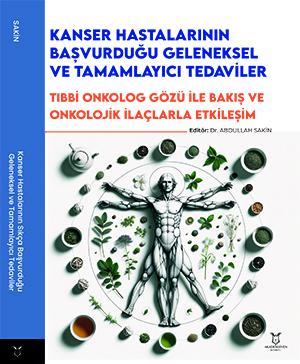
İnci N. Kişniş (Coriandrum Sativum). Içinde: Sakin A, editör. Kanser Hastalarının Başvurduğu Geleneksel ve Tamamlayıcı Tedaviler - Tıbbi Onkolog Gözü ile Bakış ve Onkolojik İlaçlarla Etkileşim [Internet]. Türkiye: Akademisyen Yayınevi Kitap DOI Portalı; 2024 [a.yer 13 Temmuz 2026]. ss. 111-22. Erişim adresi: https://www.omp35.books.akademisyen.net/index.php/akya/catalog/book/2380/chapter/13897